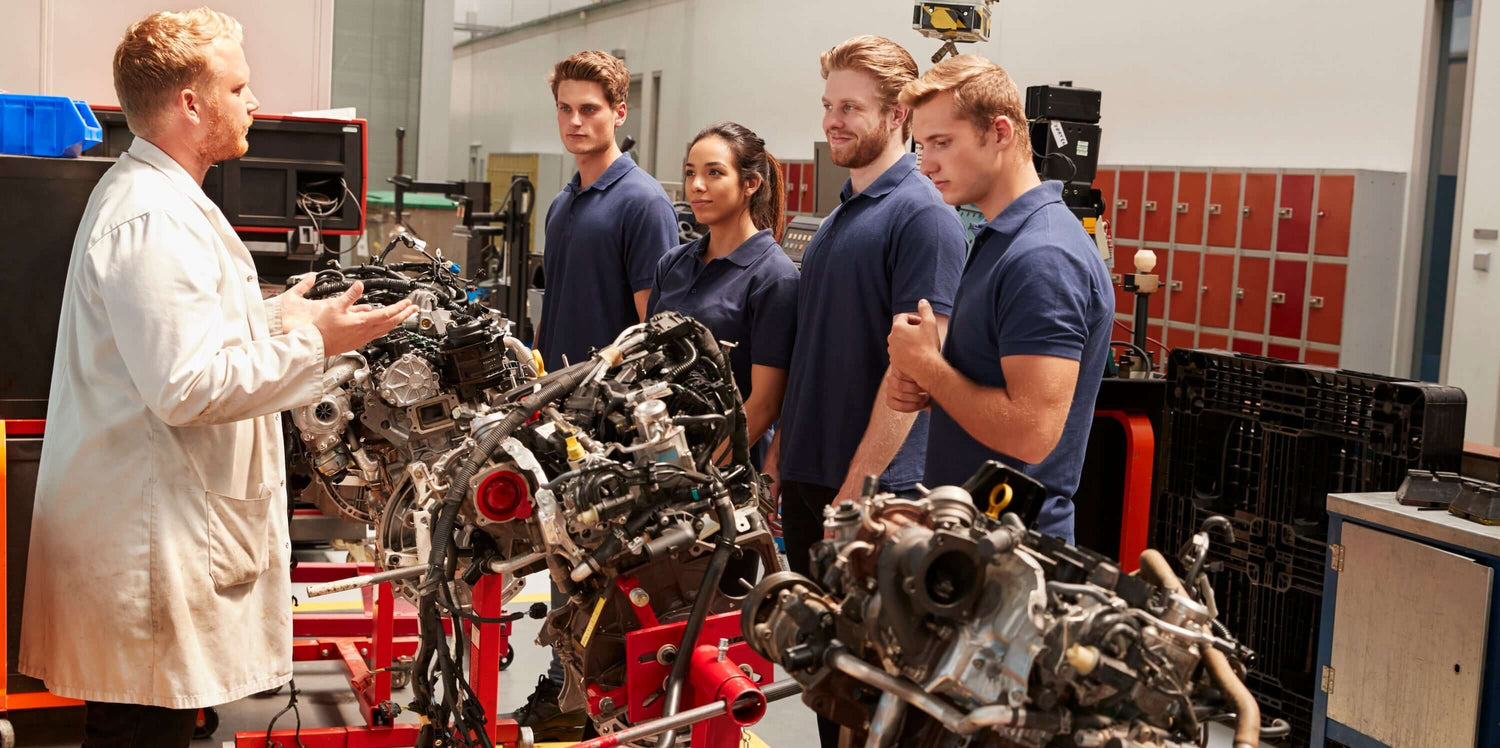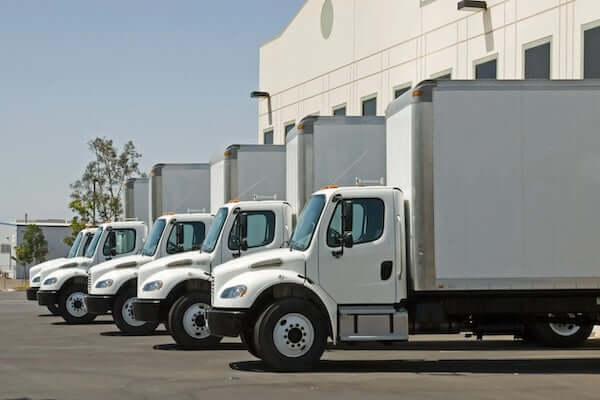
Pulling an Isuzu engine varies substantially depending on whether you're working on a commercial truck application (N-series, F-series with cab-over architecture) or a passenger application (Rodeo, Trooper, Ascender). The commercial truck pulls require rated lift equipment for the heavier diesel engines and follow cab-tilt access patterns. Passenger pulls follow more conventional engine bay procedures.
Here's the prep-and-removal sequence.
Before You Start (Commercial Applications)
For commercial Isuzu diesel applications, have ready: a clean shop floor with overhead clearance for cab tilt, rated engine stand (1,500+ pounds for 6HK1, 1,000+ pounds for 4HK1), engine hoist rated for the specific engine weight, load leveler, transmission jack rated for commercial duty, drain pans (substantial capacity for commercial diesel coolant and oil volumes), commercial diesel-specific tools.
For passenger Isuzu applications, standard automotive engine pull equipment is adequate.
Step 1: Photograph Everything
For commercial diesel applications, photograph the cab interior connections that disconnect when the cab tilts, the engine bay below the cab, and the complete fuel system routing.
For passenger applications, standard engine bay photography.
Step 2: Drain Fluids
Coolant first. Commercial Isuzu diesel applications have substantial coolant capacity — plan accordingly. Use Isuzu-specified coolant for refill.
Engine oil second. Commercial diesel applications hold 20+ quarts of oil.
For commercial diesel applications, drain fuel from the fuel filter housing and water separator.
Step 3: Battery and Fuel
Disconnect batteries (commercial applications typically have dual batteries). Relieve fuel system pressure.
For commercial diesel applications, the high-pressure fuel system requires careful handling — wait at least 10 minutes after engine shutoff before opening high-pressure lines.
Step 4: Cab Tilt (Commercial Applications)
For N-series and F-series commercial applications, tilt the cab forward following Isuzu-specified procedure. Cab tilt requires specific hydraulic pump operation and locking pin engagement. Once the cab is tilted, the engine is accessible from above.
For passenger applications, this step doesn't apply.
Step 5: Remove Accessories
Air intake assembly, alternator, A/C compressor (where equipped), power steering pump, exhaust components.
For commercial diesel applications, the turbocharger plumbing and intercooler routing add steps.
For older passenger applications with timing belt V6 engines, the timing belt and tensioner assembly may need attention during engine prep.
Step 6: Wiring Harness
Photos pay off. For commercial diesel applications, the harness includes substantial additional connectors for emissions equipment.
Label everything. For passenger applications, follow standard practice.
Step 7: Cooling and Other Systems
Remove coolant hoses, fuel lines, oil lines (for turbo applications), exhaust connections.
Step 8: Separate the Transmission
For automatic transmission applications, mark torque converter to flexplate. Remove converter bolts.
For commercial transmissions (Allison automatics, Isuzu manuals), the procedures are commercial-truck-specific.
Step 9: The Lift
Attach engine hoist to Isuzu-specified lift points. For commercial diesel applications, the lift weight is substantial and rated equipment is non-optional.
Lift slowly. For commercial applications with cab tilted, careful coordination matters.
Step 10: Mount on Stand
For commercial diesel applications, the engine stand must be rated for the actual engine weight. A toppled commercial diesel engine is dangerous.
Prep Tips for the Install
For commercial diesel applications, replace fuel filters during the prep. Verify injector condition. Address known platform-specific service items.
For passenger applications, replace timing belt components on V6 applications if not already addressed.
Sourcing from our Isuzu engine catalog with documented engine codes removes fitment questions before the engine ships.