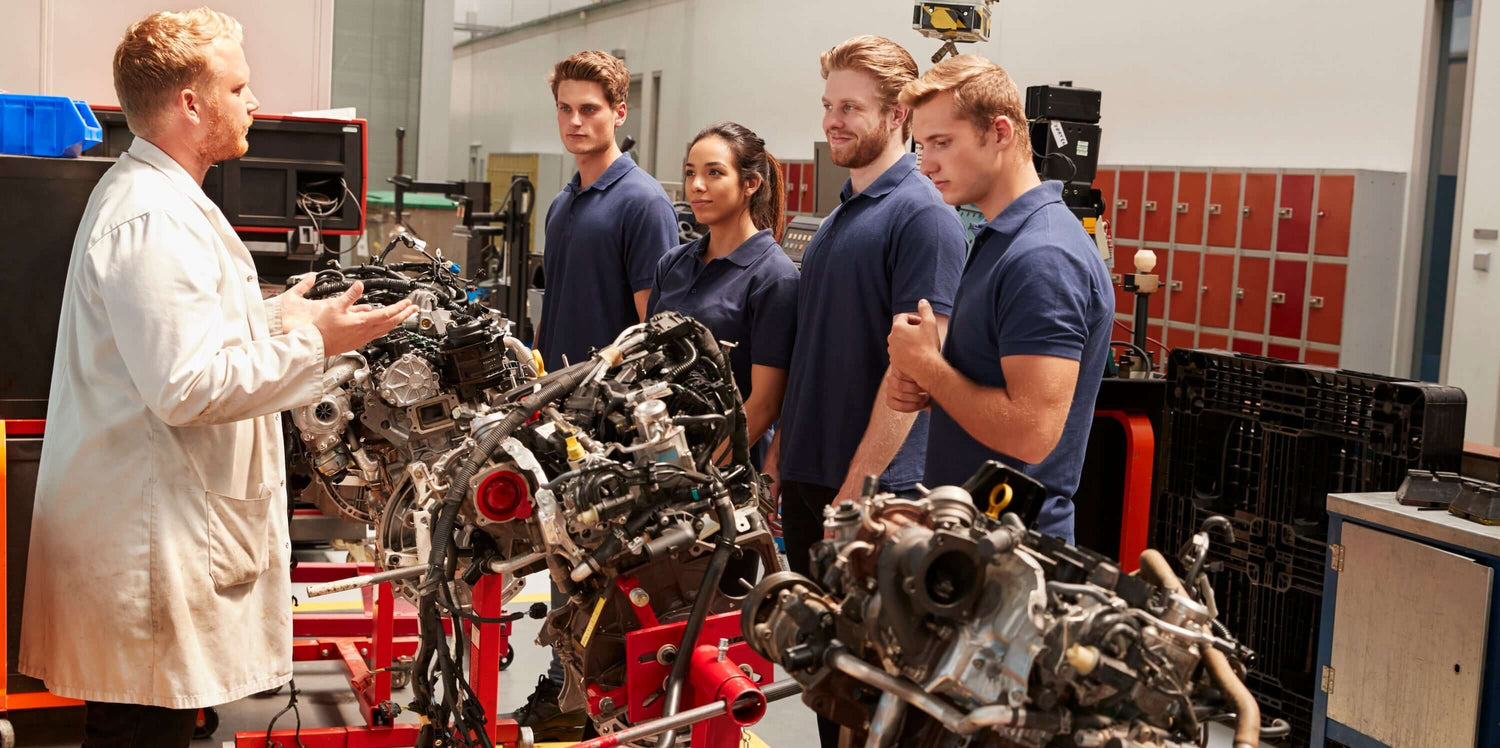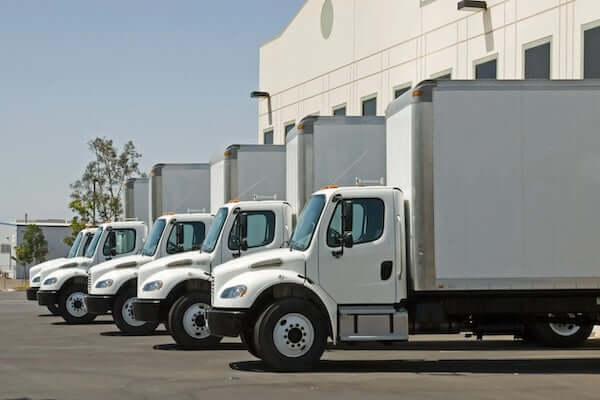
Isuzu engine installations sit in their own corner of the US aftermarket. The brand exited the US passenger vehicle market in 2009 but remains a major player in commercial truck applications — the N-series and F-series light and medium-duty commercial trucks are the bulk of Isuzu work in the US in 2026. The Trooper, Rodeo, and Ascender passenger applications from the 1990s and 2000s have their own enthusiast community, and the older Isuzu engines (4ZE, 6VD, 6VE) remain in service.
This 2026 guide is the playbook our techs use when an Isuzu engine lands on the bay.
Identify What You're Installing
The major engines in Isuzu's US service catalog: 4HK1-TC 5.2L turbocharged four-cylinder diesel (in N-series commercial trucks), 6HK1 7.8L turbocharged inline-six diesel (in F-series commercial trucks), 4JJ1 3.0L turbocharged four-cylinder diesel (in some N-series variants), 4HE1 4.8L (older medium-duty diesel), older 4ZE1 2.6L gasoline four-cylinder (in Rodeo, Pickup, Trooper), 6VD1 3.2L V6 gasoline (in Rodeo, Trooper, Amigo), 6VE1 3.5L V6 gasoline (later Rodeo, Axiom, Trooper).
The seventeenth digit of the Isuzu VIN identifies the engine code position. Cross-reference against Isuzu's specification chart for the model year.
For Isuzu commercial truck applications, the engine identification is on the block near the timing case or on the engine identification plate.
Pre-Install Inspection
Inspect the replacement engine on the stand. Rotate the crankshaft one full turn by hand.
For 4HK1-TC diesel applications, evaluate the injector condition and turbocharger health on reman units. The 4HK1 has documented injector wear patterns past 200,000–300,000 miles of commercial service.
For 6HK1 diesel applications, the inline-six's industrial-duty rebuild scope is more involved. Verify the rebuild addressed valve seats, injectors, and turbo if applicable.
For older 6VD1 / 6VE1 V6 applications, evaluate the timing belt condition (this is a timing-belt V6 family) and the cooling system condition.
Pulling the Old Engine
Isuzu engine bays vary substantially. Commercial truck applications (N-series, F-series) have cab-over architecture with the engine accessed by tilting the cab forward. F-series trucks have larger engines requiring rated lift equipment — 6HK1 engines weigh 1,400–1,600 pounds.
Passenger applications (Rodeo, Trooper, Ascender) have conventional engine bay access with engines coming out from above.
Disconnecting the Wiring
Isuzu commercial truck applications use Isuzu-specific commercial wiring conventions. Passenger applications follow more standard automotive wiring patterns.
Photograph every connector. Label with painter's tape. For diesel applications, the additional connectors for high-pressure fuel pump, injectors, and emissions equipment require careful documentation.
Prepping the New Engine on the Stand
Transfer accessory brackets, alternator, water pump, A/C compressor (where equipped). Use new Isuzu-specific bolts where the service procedure specifies.
For commercial diesel applications, replace fuel filters as part of the swap.
The Drop-In
For commercial truck applications, the engine drops in with the cab tilted forward. Careful coordination of cab position and engine alignment.
For passenger applications, conventional engine drop with motor mount torquing after settling.
Wiring and First Start
Before first crank, connect an Isuzu-capable scan tool (Isuzu IDSS for commercial applications, generic OBD-II capable for passenger applications). Verify sensor data.
For diesel applications, follow diesel-specific start procedure. Prime fuel system. Confirm rail pressure on scan tool. Then crank.
Reset fuel, let engine fire. Don't rev. Watch scan tool for first five minutes.
Break-In and First 500 Miles / Hours
Walk the customer through break-in. For commercial truck applications, break-in is measured in operating hours rather than miles. First 50 hours of moderate load, no sustained heavy towing or hauling.
Schedule a 500-mile / 50-hour return for first oil change. Use Isuzu-specified oil (typically 15W-40 for diesel applications, lighter weights for gasoline).
What Sets Clean Isuzu Installs Apart
For commercial applications, Isuzu-commercial-specialist sourcing matters substantially. The diesel-specific rebuild scope on 4HK1 and 6HK1 applications produces meaningfully different results from generalist work.
For sourcing the long block, our Isuzu engines catalog publishes casting numbers and platform fitment so verification happens before purchase.