
Isuzu engine replacement work has its own distinctive dynamics in 2026, driven primarily by the commercial truck fleet rather than passenger applications. Several specific factors are converging to make engine replacement work an active category for Isuzu fleet operators and the smaller passenger Isuzu enthusiast community.
The Commercial Diesel Fleet Aging
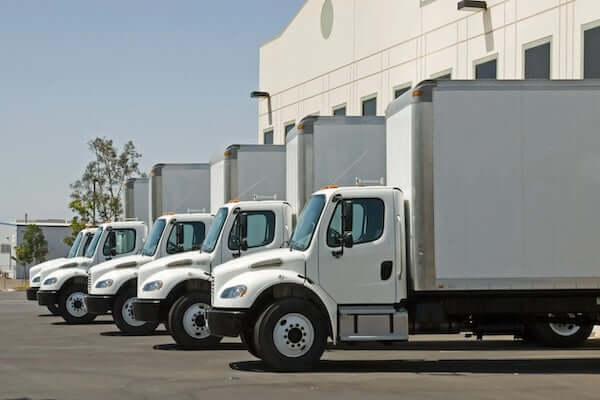
The 4HK1-TC and 6HK1 commercial diesel fleet from 2008-2018 production is now in the high-mileage zone where engine work commonly appears. Commercial trucks accumulate miles fast — a fleet truck doing 80,000–120,000 miles annually reaches the 400,000–800,000 mile range in 5–7 years of service.
For commercial Isuzu operators, the math has shifted toward engine replacement for trucks the fleet wants to keep operating. Replacing the engine costs less than buying replacement trucks at current commercial truck prices, and the existing truck's known service history and operator familiarity are real value.
Commercial Truck Replacement Costs Have Spiked
New commercial truck prices have risen substantially over the last several years. A new N-series replacement that cost $45,000-$55,000 in 2019 now costs $65,000-$80,000. A new F-series replacement has seen similar increases.
For fleet operators, this changes the engine replacement math substantially. A $15,000 engine replacement on an existing truck looks very different against a $75,000 replacement vehicle cost than against a $50,000 replacement cost.
The Passenger Isuzu Long-Term Ownership Pattern
The remaining passenger Isuzu fleet (Trooper, Rodeo, Amigo, Axiom, Ascender) is owner-curated. These are vehicles their owners decided to keep, often well into the vehicle's third decade. Engine replacement is part of that long-term ownership commitment.
For Trooper and Rodeo enthusiasts specifically, the engine replacement work preserves capable off-road platforms that aren't easily replaced by current production vehicles at comparable price points.
The Aftermarket Has Improved
Isuzu commercial-specialist rebuilders have professionalized. Documentation standards have improved. Fleet support including expedited shipping and warranty handling has matured.
For passenger Isuzu applications, the smaller but stable specialist supplier network handles work consistently.
What This Means
The Isuzu engine replacement market is in a multi-year cycle. The commercial diesel side will continue through 2027-2029 as the post-2018 fleet works through its high-mileage zone. The passenger side will continue as long as enthusiast owners keep their vehicles.
For commercial Isuzu operators, sourcing from our Isuzu engine catalog with documented warranty and commercial-specialist expertise gives fleet operators the supplier discipline their market expects.