Sourcing a Volkswagen engine online in 2026 has its own specific considerations. The VW aftermarket has consolidated around a smaller number of specialists, the platform variants (especially within the 2.0T family) matter substantially, and the cost of a wrong purchase is real. Reading VW engine listings carefully is what separates a clean transaction from a return.
Here's the practical playbook.
Decode What You Actually Need
Decode the VIN to identify the factory engine code. The eighth character of the VW VIN is the engine code position. Cross-reference against the model year's chart.
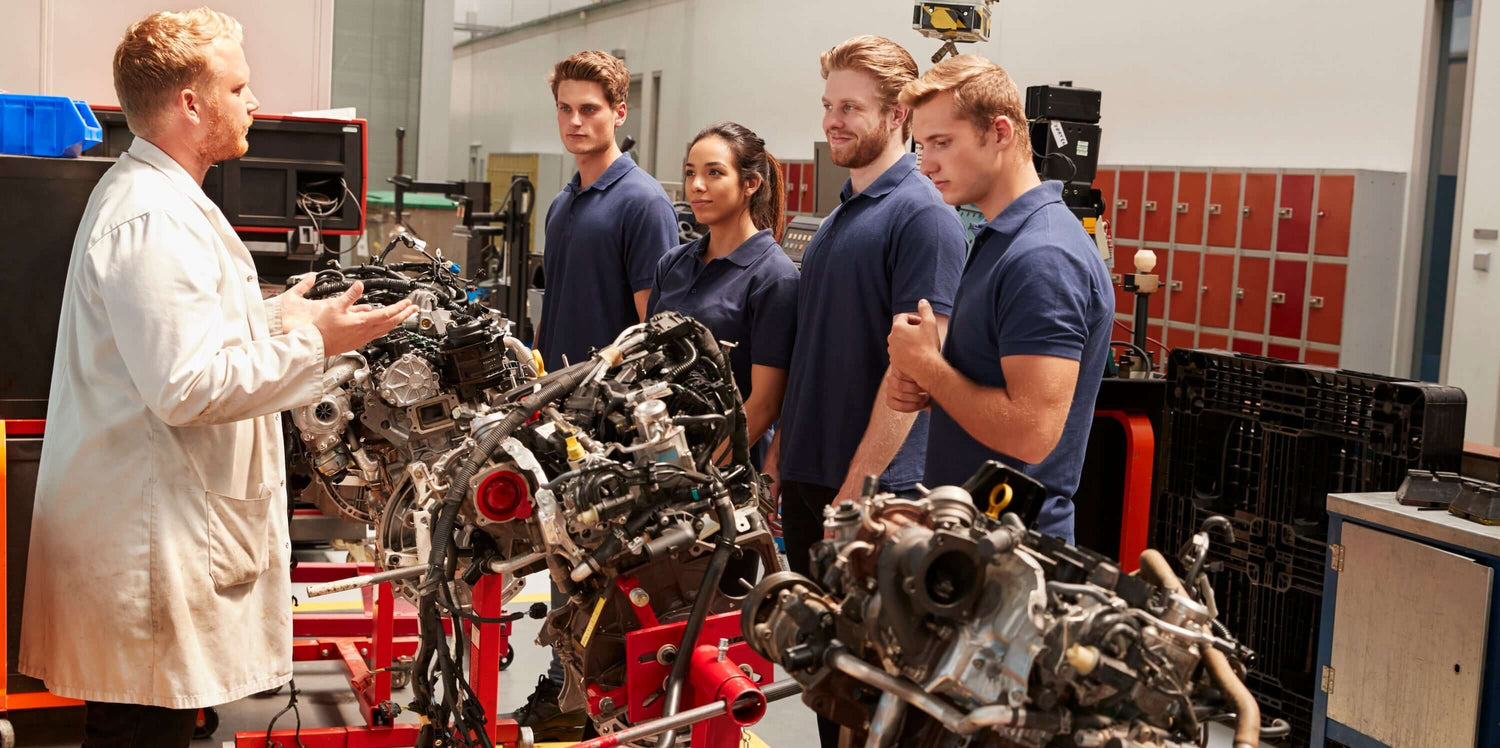
Then physically inspect the engine. The engine identification on most VW engines is stamped on the block near the timing cover. Casting numbers identify the production variant. Match what the VIN says to what's installed.
For 2.0T applications, this verification matters substantially. The 2.0T family has gone through EA113 and four EA888 generations, and these aren't interchangeable across applications without substantial conversion work.
The Four Sourcing Paths
A new VW factory crate engine from VW or an authorized assembler. Limited availability for older VW engines, available for some current production variants.
A remanufactured long block from a reputable rebuilder. The most common path. Costs vary by family: 2.0T $4,000–$6,500, 1.8T $3,500–$5,500, VR6 $4,500–$7,000, 2.5L $3,500–$5,500, TDI 2.0L $5,000–$7,500.
A low-mileage used engine from documented donor vehicles. Common for high-volume VW platforms.
A European-import engine from European donor vehicles. Available for certain VW applications but the compatibility check is more involved than US-market engines.
Vetting the Seller
Confirm the company has documented VW-specific experience. A generalist engine rebuilder doing VW work as a sideline produces different results than a VW specialist.
Verify the company has a real US business address and a phone number that picks up. Verify the written warranty document available before purchase.
For 2.0T applications specifically, check whether the supplier addresses the timing chain tensioner issue in the rebuild scope. A reman 2.0T that didn't address this is shipping you a known future problem.
For TDI applications, supplier expertise matters even more given the diesel-specific complexity and emissions equipment considerations.
Reading the Listing
A credible VW engine listing should specify exact engine code (EA888 Gen 3 versus EA113, etc.), model years and platforms supported, inclusions (long block versus drop-in), casting numbers, rebuild scope including platform-specific issue verification, and warranty terms.
Shipping and Receiving
VW long blocks ship LTL freight. Four-cylinder VW engines run 300–450 pounds. VR6 engines run 450–550 pounds. Plan freight at $250–$500 from US warehouses.
Photograph the pallet on arrival. Note any visible damage on the bill of lading before signing.
Common Mistakes to Avoid
Buying on price alone. Skipping 2.0T tensioner verification on EA888 rebuilds. Confusing EA113 with EA888 (these are not interchangeable). Buying European-spec engines without verifying US emissions compatibility. Buying from a seller you can't reach by phone.
What Good Looks Like
The pattern that produces good outcomes: the buyer decodes the VIN, the supplier publishes detailed listings, freight arrives on schedule, the engine matches the listing on inspection, the install proceeds without compatibility surprises.
Our Volkswagen engines catalog publishes the level of detail that makes verification possible before purchase.