Sourcing a BMW engine online in 2026 is a more exacting exercise than sourcing for most other manufacturers. The BMW aftermarket has specific suppliers, the platform variants matter substantially more than displacement alone, and the cost of a wrong purchase is higher because BMW engines are more expensive on their own and the return shipping on a 600-pound long block isn't trivial. Reading BMW engine listings carefully is what separates a clean transaction from an expensive lesson.
Here's the practical playbook for sourcing a BMW engine online without paying tuition twice.
Decode What You Actually Need
Step one is the one that prevents most returns. Confirm exactly which BMW engine your vehicle needs before shopping.
BMW VIN decoding tells you the factory engine code. The seventeenth digit of the BMW VIN identifies the engine code position, and BMW's online VIN decoder (or third-party tools like RealOEM) confirms the factory-correct engine variant.
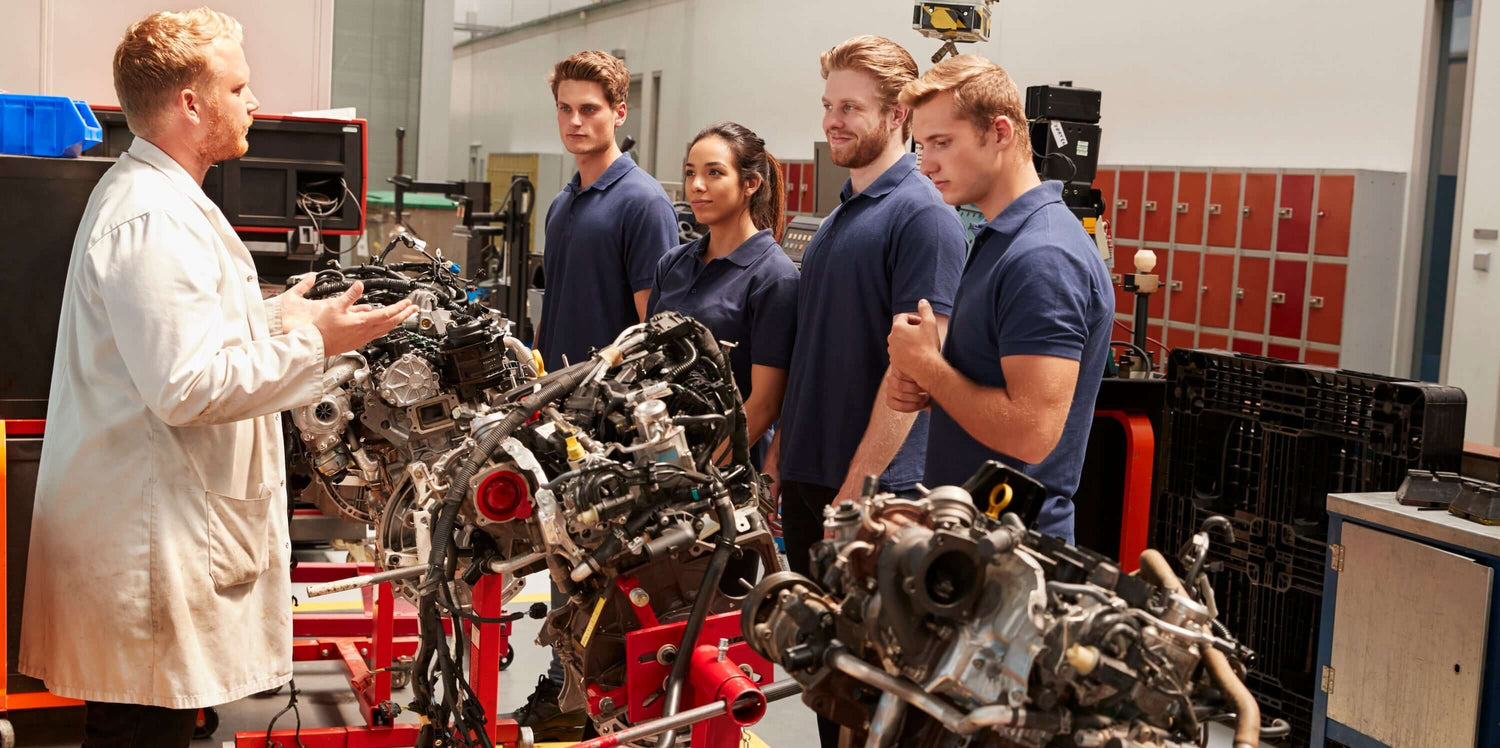
Then physically inspect the engine. The engine identification on most BMW blocks is on the front of the engine near the timing cover or on the bell housing flange. The casting numbers and engine code stamp identify the production variant. Match what the VIN says to what's installed.
For N54 and N55 applications specifically, this verification matters. The N54 had specific production variants (335i versus 1M versus 535i applications) with different turbo configurations, and an N54 from one application may not be a clean substitute for another.
For M-platform engines, the verification matters even more. An S65 from a 2008 M3 has subtle differences from an S65 from a 2012 M3 even though both are "S65 V8." Match production years carefully.
The Four Sourcing Paths
BMW engine listings online generally fall into one of four sourcing categories.
A new BMW factory crate engine from BMW or an authorized assembler. Limited availability in 2026 for older BMW engines but available for some current-production variants. Price premium is substantial — typically 40–80% over reman cost. Warranty and OEM specification justify it for owners of valuable BMW applications.
A remanufactured long block from a reputable BMW-specialist rebuilder. The most common path for BMW engine sales in 2026. Core has been disassembled, machined, and reassembled with new wear items and platform-specific known issues addressed.
A low-mileage used engine from a documented donor vehicle. Common for high-volume BMW platforms. Mileage should be documented. Warranties when offered are typically 30–90 days against catastrophic failure only.
A European-import engine from European markets. BMW engines from European donor vehicles are sometimes available in the US aftermarket. The compatibility check is more involved than for US-market engines — emissions equipment, ECU calibration, and accessories can differ.
Vetting the Seller
The most useful sorting step is qualifying the supplier before reading listings in detail. For BMW specifically, supplier expertise matters more than for most platforms.
Confirm the company has documented BMW-specific experience. A generalist engine rebuilder doing BMW work as a sideline produces meaningfully different results than a BMW specialist who handles these engines exclusively. Look for signs of BMW expertise: published rebuild scopes that address BMW-specific known issues, references in BMW enthusiast communities, technical content that demonstrates platform knowledge.
Confirm the company has a real US business address and a phone number that picks up during business hours. Test it.
Verify the company has a written warranty document available before purchase. The full warranty terms, exclusions, claim process, and labor coverage policy in writing.
For M-platform engines, supplier specialization is critical. Sourcing an S65 V8 from a supplier without documented M-engine experience is a gamble.
Reading the Listing
A credible BMW engine listing tells you what you need to know.
Specific platform fitment. "Fits 2007–2013 BMW 335i" is a starting point, not a complete answer. The listing should specify exact engine variant (N54B30 for early 335i, N55B30 for later 335i) and any vehicle-specific compatibility notes.
Engine code and casting numbers. Identifies production variant. A listing with these gives you something to verify against.
Rebuild scope for reman engines. For BMW, the rebuild scope should explicitly address platform-specific known issues: N54 wastegate replacement, N55 valve cover service, N63 timing chain guides plus injectors plus valve seals, S65 rod bearing replacement, N20 timing chain assembly. A listing that doesn't address these is incomplete.
Inclusions. Long block versus complete drop-in. BMW long blocks typically include the basic engine assembly only; complete drop-ins add intake manifold, fuel rail, accessories, and sometimes the harness.
Warranty terms findable before purchase, not buried in fine print.
Shipping, Freight, and Receiving
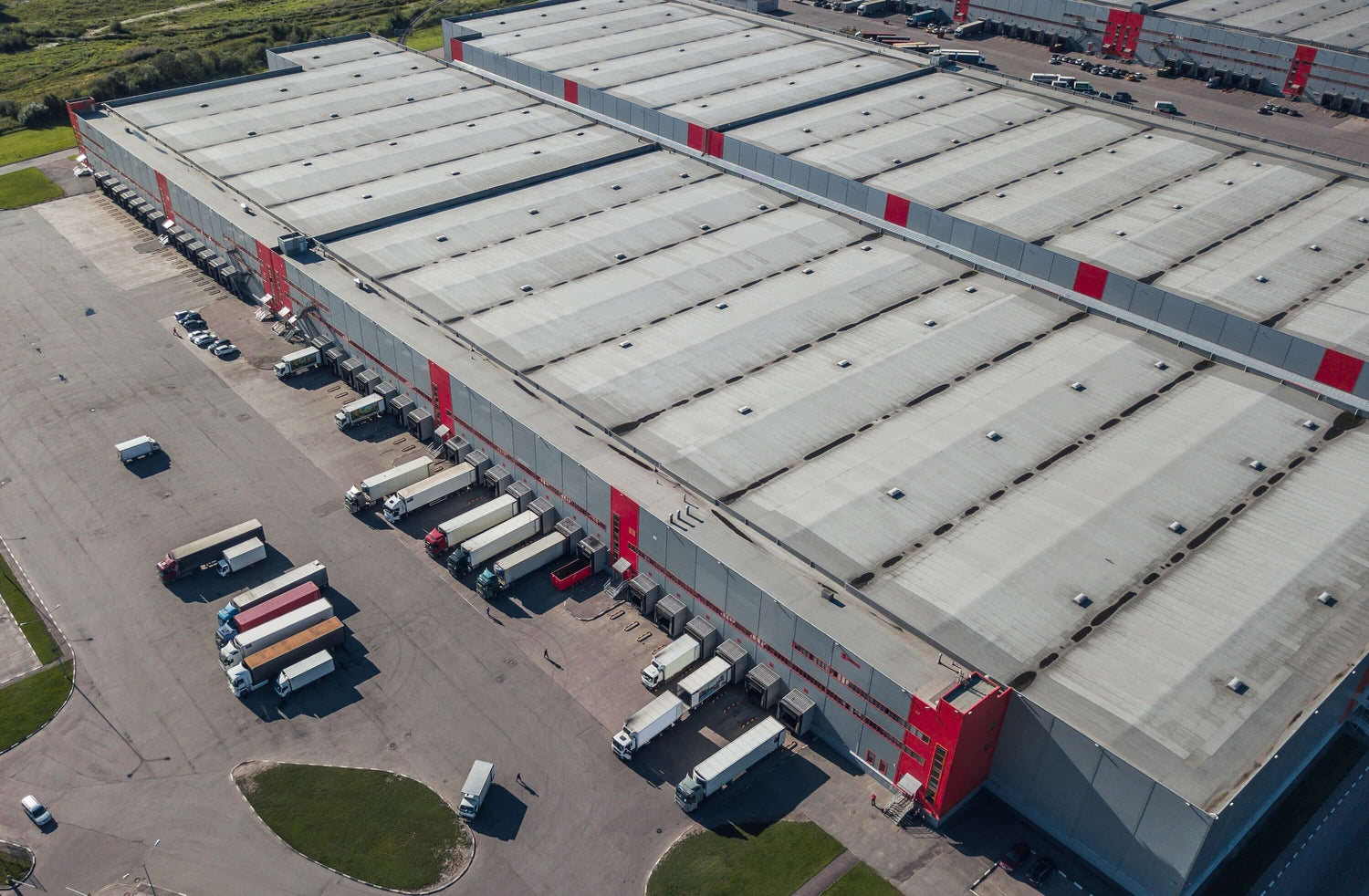
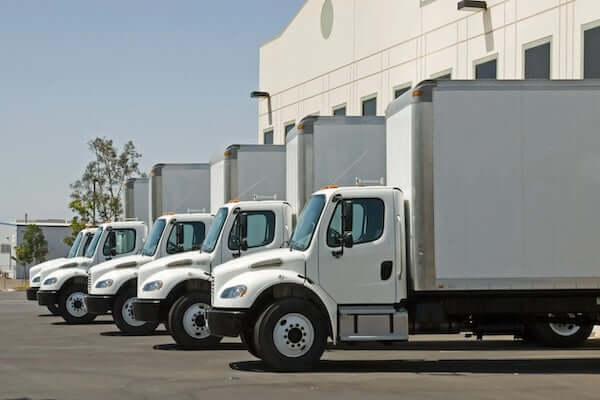
BMW long blocks ship LTL freight on pallets. Most BMW straight-six engines weigh 400–500 pounds. V8 engines (N63, S65) weigh 500–700 pounds. V10 engines (S85) approach 800 pounds.
When freight arrives, photograph the pallet on the truck before lowering. Photograph the engine after the wrap comes off. Check every accessible component for impact, scratching, or shift damage.
Note any visible damage on the bill of lading before signing. Take photos. Once you sign without noting damage, carrier liability drops to almost zero.
The Total Cost Picture
Freight: $300–$600 LTL for BMW straight-six and four-cylinder long blocks. $400–$700 for BMW V8 long blocks.
Core charge: $500–$1,500 on reman units depending on engine. M-platform cores can run $1,500–$3,000 due to higher value.
Installation: $2,000–$3,500 at BMW specialists for stock engine swaps. M-engine swaps run $3,500–$5,500 due to additional complexity.
Supporting parts: $1,200–$2,500 for typical BMW swaps. Higher for M-engine applications.
Emissions paperwork: $200–$700 in CARB states.
Common Mistakes to Avoid
Buying on price alone. The cheapest BMW engine listing is cheap for a reason that isn't always visible in the listing.
Skipping BMW-specific rebuild scope verification. A reman that didn't address platform-specific known issues is shipping the same future problem.
Sourcing M-engines from generalist rebuilders. The specialist supplier produces meaningfully different results.
Buying European-import engines without verifying emissions compatibility. These engines can be excellent value but the compatibility check is more involved than for US-market engines.
Buying from a seller you can't reach by phone.
What Good Looks Like
The pattern that consistently produces good outcomes. The buyer decodes the VIN and verifies the installed engine. The supplier publishes detailed listings with engine codes, casting numbers, platform fitment, and rebuild scope. Freight arrives on schedule, receiving catches any damage at delivery, the engine matches the listing on inspection. Install proceeds without compatibility surprises. The warranty covers what it said it would.
None of that requires luck. It requires sourcing from a supplier whose business depends on those outcomes happening consistently. Our BMW engines catalog publishes the level of detail that makes verification possible before purchase, ships from US warehouses with documented handling procedures, and is staffed by people who answer the phone when something needs attention.