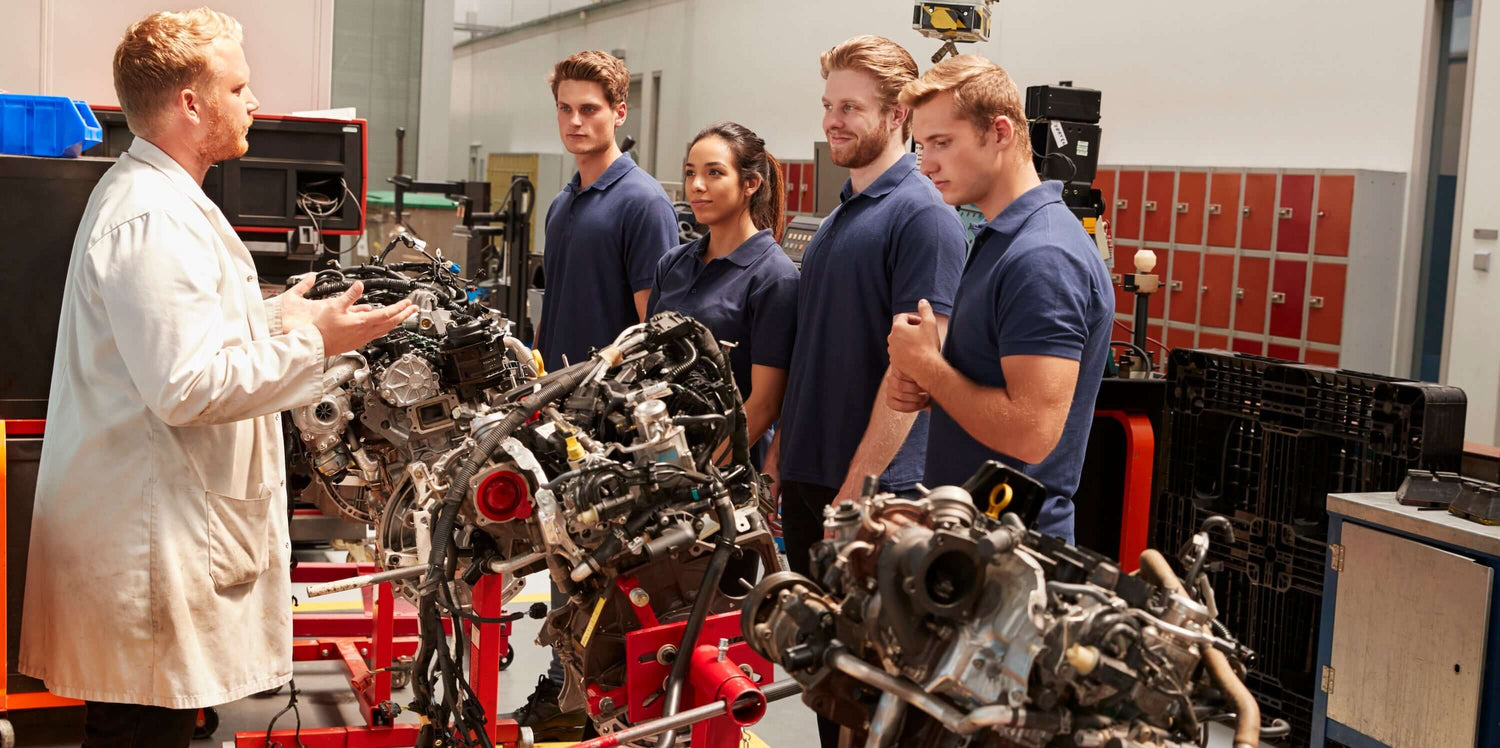
Lexus engine swaps are fairly clean from a US emissions compliance standpoint. The brand's lineup is well-engineered with standard emissions equipment configurations, and the Toyota underpinnings mean the compliance picture follows Toyota practice. The Lexus-specific considerations are F Performance applications (which have specific emissions equipment requirements) and the small but active enthusiast community doing performance swaps.
This isn't legal advice (call your state DMV or smog referee before money changes hands), but this is the framework in 2026.
The Federal Baseline
Federal law sets the floor. Clean Air Act prohibits removing manufacturer-installed emissions controls. For Lexus swaps, the replacement engine must bring all emissions equipment, and that equipment must be the same as or newer than what the vehicle was originally certified with.
CARB States
CARB rules apply in California and thirteen other states. For same-year same-engine Lexus replacement, CARB compliance is straightforward.
For year-mismatched or platform-mismatched swaps, CARB requires an EO. Lexus swap EO coverage is variable: same-platform swaps usually have coverage, cross-platform swaps often don't.
The 1UZ-FE Swap Community
One small but active Lexus performance swap configuration is the 1UZ-FE V8 into various smaller chassis. The 1UZ-FE is a durable naturally-aspirated V8 with substantial enthusiast support. EO availability for these swaps varies by configuration.
In CARB states, check EO availability before proceeding. In non-CARB states, federal rules apply.
The 2UR-GSE F Engine Swap Question
2UR-GSE into other chassis (older IS, GS, or non-F applications) is a niche but real swap category. EO coverage is minimal. Off-road and competition-only use is treated differently from street use in many jurisdictions; street use requires the EO or federal-compliance path.
The Catalytic Converter Question
Lexus catalytic converters are expensive even by industry standards: OEM replacements for some applications run $1,500–$3,000+ each, and V8 applications have multiple converters.
Federal law requires the converter to match or exceed original certification. CARB states require OEM or CARB-EO-approved aftermarket.
OBD-II Readiness After a Lexus Swap
For Lexus vehicles from 1996 onward, OBD-II readiness is part of inspection. Lexus drive cycles follow Toyota patterns. Plan for 50–150 miles of mixed driving before all monitors set ready.
The Workflow
Start with state and county. Quote the swap as same-year same-engine replacement whenever possible. Sourcing from a Lexus engine catalog with documented fitment makes this path cleaner.