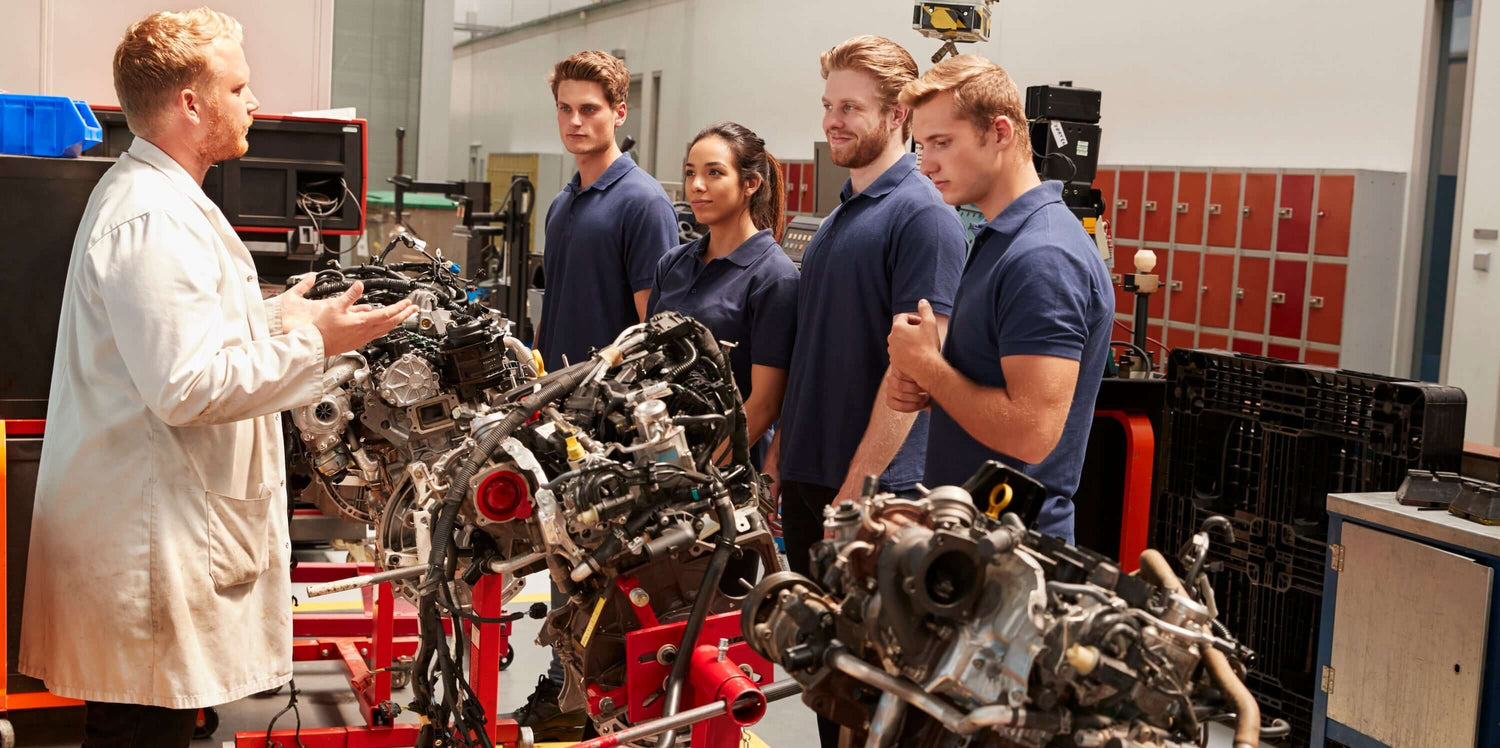

Chevrolet engine swaps occupy distinctive emissions compliance territory. The LS swap is the single most documented engine swap configuration in the entire US aftermarket, and EO coverage is generally good for many LS configurations. The Duramax diesel side has its own enforcement picture with substantial EPA attention.
This isn't legal advice — call your state DMV or smog referee before money changes hands — but here's the framework experienced Chevrolet shops use in 2026.
The Federal Baseline
Federal law sets the floor. Clean Air Act prohibits removing manufacturer-installed emissions controls. For Chevrolet swaps, the replacement engine must bring all emissions equipment originally on it, and that equipment must be the same as or newer than what the vehicle was originally certified with.
For Duramax applications, EPA enforcement around emissions equipment has produced major settlements. Delete projects carry substantial penalties.
CARB States
CARB rules apply in California and thirteen other states. For same-year same-engine Chevrolet replacement, CARB compliance is straightforward.
For LS swap configurations, CARB EOs cover many specific combinations. Chevrolet Performance LS376 / LS3 crate engines have EOs that extend to multiple swap targets.
The LS Swap Question
LS swap is the most common engine swap configuration in the US aftermarket. Camaro-to-classic-Chevelle, LS-into-Mazda-Miata, LS-into-Nissan-S13, LS-into-VW-bus, LS-into-anything-with-wheels — the configurations are nearly unlimited.
For street-legal LS swaps in CARB states, check the specific EO that covers your configuration. EO numbers and coverage details are published by CARB and can be verified online before the project starts.
For street-legal LS swaps in non-CARB states, federal compliance is determined by whether the donor engine's emissions equipment is intact and the swap doesn't downgrade emissions certification year.
The LS3 / LS7 / LT4 Crate Engine Path
Chevrolet Performance crate engines come with documented EPA and CARB compliance information. The LS3 and LS376 crate engines have specific EOs that cover their use in many vehicle configurations.
For Corvette and Camaro performance work using Chevrolet Performance crate engines, the documentation is straightforward.
The Duramax Compliance Question
Modern Duramax applications use DPF, SCR, and DEF systems. Delete projects are not legal for street use under federal law. The EPA has prosecuted multiple Duramax delete cases with substantial penalties.
For Duramax swaps, all aftertreatment equipment must remain intact and operational for street use.
The Vortec AFM Question
For Vortec AFM applications, AFM delete is common during engine work. The emissions impact is debated, but for street-legal use in CARB states, AFM delete may affect EO compliance.
For non-CARB states, federal compliance is determined by whether physical emissions equipment remains intact.
The Classic Chevrolet Question
For pre-1976 Chevrolet applications, emissions equipment requirements are minimal or non-existent in most jurisdictions. LS swap into a 1969 Camaro is generally a clean compliance picture.
For 1976-1995 applications, the picture is more complex — emissions equipment is required but the specific requirements depend on model year and state.
For 1996+ applications, OBD-II compliance becomes part of the picture.
OBD-II Readiness After a Chevrolet Swap
For Chevrolet vehicles from 1996 onward, OBD-II readiness is part of inspection. GM drive cycles can complete in 50–150 miles for gasoline applications. Duramax drive cycles take substantially longer.
The Catalytic Converter Question
Federal law requires the converter to match or exceed original certification. CARB states require OEM or CARB-EO-approved aftermarket.
The Workflow
Start with the customer's state and county. For LS swap projects, verify EO coverage before starting work. Sourcing from a Chevrolet engine catalog with documented fitment makes this path cleaner.
For Duramax applications, verify all aftertreatment equipment is intact. Document everything.