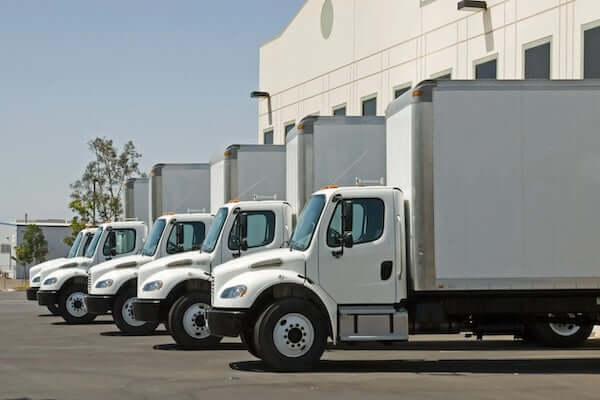

The electrical side of an Isuzu engine swap follows different conventions depending on whether you're working on a commercial truck or a passenger application. Commercial Isuzu trucks use Isuzu-specific commercial wiring conventions with substantial diesel and emissions equipment integration. Passenger Isuzu applications use more conventional automotive wiring. A mechanically perfect Isuzu install can still refuse to start if the wiring isn't right.
What the Isuzu ECU Is Doing
Modern Isuzu commercial diesel engines have substantial ECU control logic. Engine ECU manages fueling through high-pressure common-rail system. Separate or integrated control for EGR, turbocharger, and on emissions-equipped variants the DPF regen and SCR systems. CAN bus communication with transmission ECU (especially Allison automatic applications), instrument cluster, and chassis modules.
For passenger Isuzu applications, the ECU complexity is more typical of automotive applications.
Battery, Grounds, and Power Supply
Commercial Isuzu applications typically have dual batteries. Replace cables that show wear. Multiple ground connections — commercial applications have more grounds than passenger applications due to higher current draw of starter and accessories.
For passenger applications, standard battery and ground service applies.
Connector Discipline
Commercial Isuzu uses Isuzu-specific commercial connector designs. Different from typical automotive connectors. Photograph every connector. Label everything.
For passenger applications, more standard automotive connector handling.
The Main Engine Harness Connection
Commercial Isuzu applications often route the engine harness through cab pass-through connections that are accessed during cab tilt. Passenger applications use conventional firewall bulkhead routing.
ECU Programming
Same-year same-engine replacement: existing ECU usually accepts the new engine. For commercial diesel applications, parameter learning may take place over the first hours of operation.
For commercial diesel year-mismatched swaps or emissions configuration changes, ECU reprogramming with Isuzu IDSS dealer-level tool may be required.
For passenger applications, more standard scan tool work applies.
The First Crank Procedure
Connect Isuzu-capable scan tool (IDSS for commercial, generic OBD-II for passenger applications). Verify sensor data.
For commercial diesel applications, prime fuel system through the priming pump. Confirm rail pressure builds on scan tool.
For first crank, pull fuel pump relay (gasoline) or follow diesel-specific procedure. Build oil pressure before fuel start.
Reset fuel, let engine fire. Don't rev. Watch scan tool for first five minutes.
Drive Cycle and Readiness
For commercial diesel applications, the readiness cycle includes DPF regen verification and SCR system readiness. Plan for substantially longer drive cycle than gasoline applications.
For passenger applications, standard OBD-II readiness drive cycle.
What Separates Clean Isuzu Installs
Clean grounds. Careful connector handling. Pre-crank sensor verification. Disciplined drive cycle completion.
For commercial diesel applications, Isuzu commercial-specialist experience matters substantially.
Sourcing from suppliers who document harness compatibility upfront. The Isuzu engines in our catalog specify year ranges and platforms each unit is compatible with.