
Toyota 2GR-FE oil consumption issues typically show up as excessive oil loss between service intervals, blue exhaust smoke on startup, or low oil warnings well before your scheduled change. In most cases, the root cause comes down to worn piston rings, PCV system faults, valve stem seal wear, or extended oil change intervals that accelerate internal wear.
If you manage a fleet running Camrys, Avalons, Highlanders, Siennas, or Lexus models with the 3.5L V6, oil consumption isn’t just an annoyance. It’s a maintenance cost multiplier. Ignore it, and you risk catalytic converter damage, spark plug fouling, and eventually full mechanical failure.
This guide breaks down how to diagnose the issue correctly, what repair path makes financial sense, and when a complete engine repair or motor swap becomes the smarter long-term decision in 2026.
Understanding Toyota 2GR-FE Oil Consumption Issues
The 2GR-FE is a 3.5L aluminum-block V6 with dual VVT-i and chain-driven cams. It’s widely respected for durability. However, like any high-mileage fleet engine, it can develop oil control problems.
Oil consumption means the engine is burning or losing oil internally at a rate exceeding normal OEM tolerance. Most manufacturers consider up to one quart per 1,200–1,500 miles within acceptable range. Fleet vehicles exceeding one quart per 800–1,000 miles require inspection.
Common Symptoms
- Low oil level before scheduled service
- Blue smoke during cold start
- Oil-fouled spark plugs
- Carbon buildup on piston crowns
- Catalytic converter efficiency codes
In high-idle fleet applications—rideshare, delivery, municipal service—the problem accelerates due to heat cycles and extended idle hours.
What Causes Excessive Oil Consumption in the 2GR-FE?
Proper diagnosis separates minor service fixes from major engine repair decisions. Here are the primary causes.
1. Worn or Stuck Oil Control Rings
This is the most common cause in engines with 120,000+ miles. Carbon buildup causes oil control rings to stick, reducing their ability to scrape oil off cylinder walls.
Once ring tension drops or ring lands wear, oil enters the combustion chamber and burns during ignition.
2. PCV System Malfunction
A restricted or failed positive crankcase ventilation (PCV) valve increases crankcase pressure. Excess pressure pushes oil vapor into the intake manifold.
This is inexpensive to fix—but often overlooked.
3. Valve Stem Seal Wear
High-mileage engines develop hardened valve seals. Oil seeps into combustion chambers during shutdown, creating startup smoke.
4. Cylinder Wall Wear
Improper oil viscosity, extended service intervals, or overheating can lead to measurable cylinder taper or scoring. At this stage, partial repair rarely solves the issue.
Step-by-Step Diagnosis for Fleet Managers
Before approving major engine repair, follow a structured diagnostic process.
Step 1: Document Oil Consumption Rate
- Change oil and filter.
- Record exact fill quantity.
- Monitor mileage at 500-mile intervals.
- Track top-off amounts.
Data eliminates guesswork. It also protects you if warranty or service contract claims are involved.
Step 2: Inspect for External Leaks
Check valve cover gaskets, timing cover seals, rear main seal, and oil cooler lines. A small leak under highway load can mimic internal burning.
Step 3: Perform Compression and Leak-Down Tests
Low compression combined with high leak-down percentages indicates ring or cylinder wear. Healthy 2GR-FE engines typically show compression readings within 10% across cylinders.
Step 4: Inspect PCV System
Replace the PCV valve proactively if mileage exceeds 80,000–100,000 miles. It’s a low-cost preventive measure.
Repair Options: Fix or Replace?
Once you confirm internal wear, the decision becomes financial. Below is a simplified breakdown for 2026 cost considerations.
| Repair Path | Typical Scope | Downtime | Best For |
|---|---|---|---|
| PCV Replacement | Valve + inspection | Same day | Early-stage consumption |
| Valve Seal Job | Top-end rebuild | 2–4 days | Startup smoke only |
| Ring & Piston Service | Full teardown | 1–2 weeks | Moderate wear |
| Complete Motor Swap | Remanufactured engine | 3–5 days | High-mile fleets |
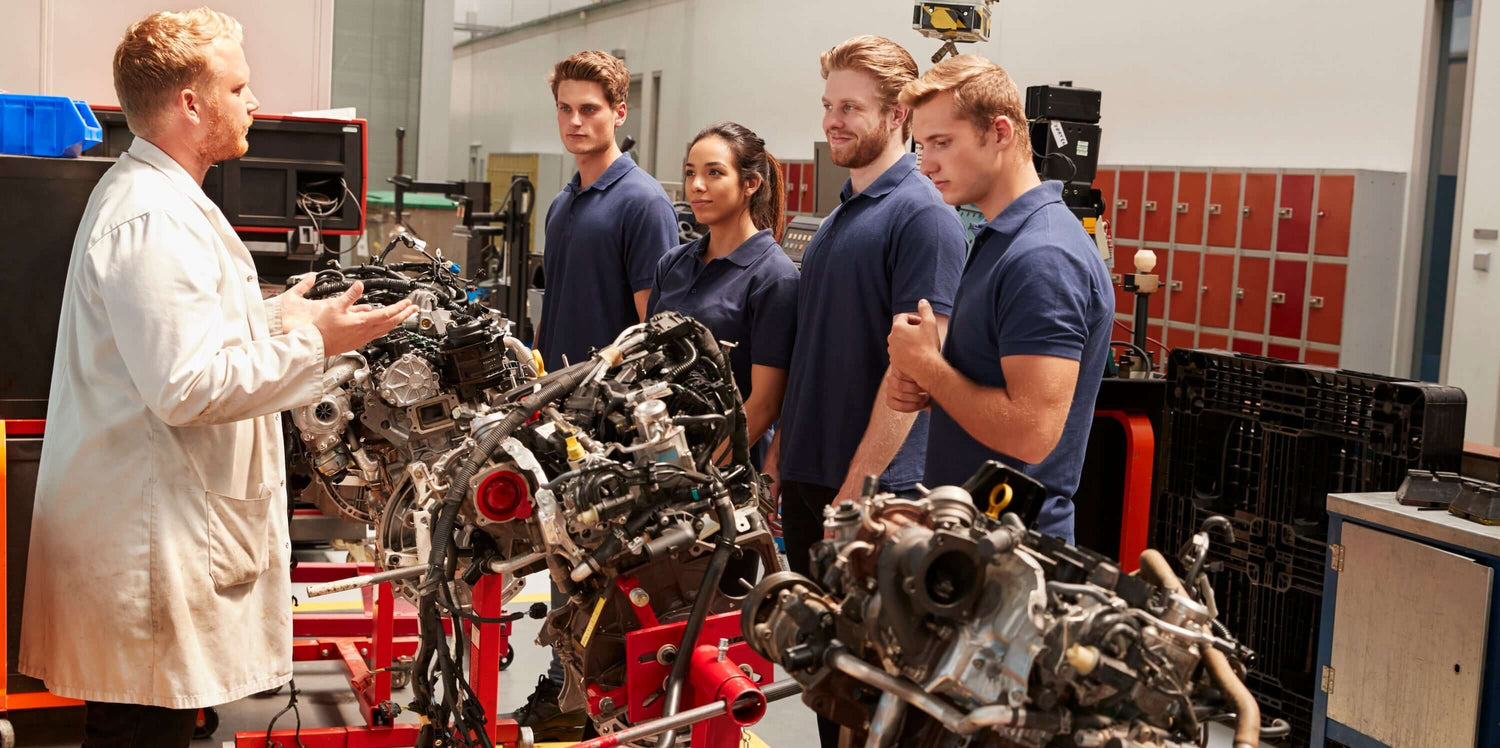
For fleet managers balancing uptime and cost-per-mile, a remanufactured engine machined to OEM tolerances often makes more sense than partial rebuilding at 180,000+ miles.
If you're deciding between rebuilding and replacement, compare downtime costs first. Labor hours and vehicle availability usually outweigh parts pricing.
When a Motor Swap Becomes the Smart Move
In 2026 car trends, fleets are holding vehicles longer due to acquisition costs. That changes the math.
A properly remanufactured 2GR-FE should include:
- New piston rings meeting SAE specifications
- Honed cylinder walls with verified crosshatch angle
- Reconditioned cylinder heads
- Updated valve seals
- Dyno testing before shipping
This approach eliminates recurring oil consumption issues instead of managing them with constant top-offs.
Preventing Future Mechanical Failure
Once repaired, prevention matters. Oil control failures are rarely random.
Use Proper Oil Viscosity
Follow OEM recommendations—typically 5W-30 or 0W-20 depending on model year. In heavy-load fleet use such as towing or high-heat regions, confirm oil selection aligns with duty cycle.
Shorten Service Intervals
For severe service fleets, 5,000-mile intervals reduce carbon buildup significantly.
Monitor Idle Hours
Idle time equals wear without mileage. Track engine hours where possible.
Address Overheating Immediately
Thermal stress accelerates ring and cylinder wear. Cooling system maintenance directly affects oil control longevity.
Cost of Ignoring Toyota 2GR-FE Oil Consumption Issues
Running low on oil damages rod bearings, cam journals, and timing chain tensioners. Over time, you risk:
- Catalytic converter replacement
- Oxygen sensor contamination
- Misfire-related downtime
- Complete mechanical failure
For fleet operators, the real cost isn’t oil. It’s lost availability.
If oil usage exceeds one quart per 1,000 miles, schedule diagnostic testing immediately.
2026 Fleet Strategy: Repair vs Replace Vehicle
With rising vehicle prices and tighter EPA efficiency standards, extending engine life is often more economical than replacing the vehicle entirely.
When evaluating total cost of ownership, consider:
- Remaining transmission life
- Frame and suspension condition
- Electronics reliability
- Fuel economy after repair
A refreshed 2GR-FE with corrected oil control can deliver another 100,000+ miles under proper maintenance.
FAQ: Toyota 2GR-FE Oil Consumption Issues
How much oil consumption is normal for a 2GR-FE?
Up to one quart per 1,200–1,500 miles can fall within manufacturer tolerance. Anything beyond that should be inspected.
Can switching to thicker oil fix the problem?
Heavier oil may reduce visible consumption temporarily, but it does not correct worn rings or valve seals. It’s a short-term mitigation, not a repair.
Is a motor swap better than rebuilding?
For high-mile fleet units, a remanufactured engine often reduces downtime and provides longer-term reliability compared to partial rebuilds.
Will oil consumption damage the catalytic converter?
Yes. Burning oil coats the catalyst substrate, reducing efficiency and triggering emissions codes.
How long does a properly maintained 2GR-FE last?
With consistent maintenance and corrected oil control issues, many units exceed 250,000 miles in fleet service.
Final Takeaway for Fleet Managers
Toyota 2GR-FE oil consumption issues are manageable when diagnosed early and addressed with a structured repair strategy. The key is separating minor service fixes from internal wear requiring overhaul.
Make decisions based on data, downtime cost, and long-term utilization plans—not just parts pricing.
If you're evaluating repair versus motor swap options, start with compression data and projected service life. That’s where the real answer lives.
If consumption has passed the point of a ring job: remanufactured 2GR-FE 3.5L V6 long blocks are $2,699, rebuilt to specification in an ASE-certified shop. No core charge. Compare it against the later 2GR-FKS in the Toyota engine collection. Confirm your year, make, model, displacement, engine code and the engine digit in your VIN with us on (877) 900-2695 before ordering.