
Toyota 2GR-FE blown head gasket issues are rare compared to some engines, but when they happen, they can sideline a truck, SUV, or sedan fast. If you’re running fleet vehicles, towing equipment, or relying on a daily-driven Highlander, Tacoma swap, or Camry V6, downtime costs money.
A blown head gasket on the 2GR-FE means the seal between the cylinder head and engine block has failed, allowing combustion gases, coolant, or oil to mix across passages. Left unchecked, it leads to overheating, compression loss, and eventually catastrophic mechanical failure.
This guide walks you through accurate diagnosis, repair options, machine shop considerations, and when a full motor swap makes more financial sense than traditional engine repair.
Understanding Toyota 2GR-FE Blown Head Gasket Issues
The 2GR-FE is a 3.5L DOHC V6 with an aluminum block and aluminum heads, dual VVT-i, and a reputation for long service life. You’ll find it in Camry, Avalon, Highlander, Sienna, RX350, and several other platforms from the mid-2000s through the late 2010s.
Head gasket failures typically stem from:
- Chronic overheating from cooling system neglect
- Water pump or thermostat failure
- Radiator restriction or electric fan malfunction
- Improper torque during prior engine repair
- Severe detonation or prolonged high-load towing
Because the block is aluminum, overheating can warp the cylinder head quickly. That’s where most 2GR-FE head gasket jobs get complicated.
Symptoms of a Blown Head Gasket on the 2GR-FE
If you're diagnosing Toyota 2GR-FE blown head gasket issues, look for patterns—not just single symptoms.
Cooling System Red Flags
- Unexplained coolant loss with no external leak
- Bubbles in the radiator or overflow tank
- Overheating under load but normal temps at idle
- Pressurized upper radiator hose shortly after cold start
Combustion and Exhaust Indicators
- White smoke at startup (sweet coolant smell)
- Misfire codes (often P0300–P0306)
- Rough idle after warm-up
- Hydrocarbon presence in coolant during block test
Oil Contamination Signs
- Milky residue under oil cap
- Rising oil level due to coolant intrusion
- Bearing knock if driven too long
If you’re maintaining fleet vehicles, catching these early can prevent bottom-end damage. Once coolant hits the bearings, your repair path changes completely.
Step-by-Step Diagnosis Before You Tear It Down
Before committing to teardown, confirm the failure. Guesswork wastes labor hours.
1. Perform a Combustion Leak Test
Use a block tester to detect combustion gases in the cooling system. If hydrocarbons are present, you’re likely dealing with a breached gasket or cracked head.
2. Compression and Leak-Down Test
Check cylinder consistency. A single low cylinder adjacent to a normal one often points to a gasket breach between cylinders.
3. Cooling System Pressure Test
Pressurize the system overnight. If pressure drops and there’s no external leak, suspect internal seepage.
4. Scan Live Data
Monitor coolant temp, fuel trims, and misfire counters. On some 2GR-FE applications, early-stage gasket failures show up as random misfires before overheating becomes obvious.
Pro Tip: If you're deciding between head gasket replacement and a motor swap, check oil analysis results. Bearing material in oil means the bottom end may already be compromised.
Repair Option 1: Replacing the Head Gasket
If the bottom end is healthy and the heads aren’t cracked, a traditional head gasket repair can restore full service life.
What the Job Involves
- Complete top-end teardown
- Cylinder head removal
- Machine shop inspection and resurfacing
- New multi-layer steel (MLS) head gaskets
- New torque-to-yield head bolts
- Timing chain reassembly and cam timing verification
The 2GR-FE uses MLS head gaskets and torque-to-yield fasteners. Follow OEM torque specs precisely. Improper clamping force leads to repeat failure.
Machine Shop Requirements
Resurfacing must meet OEM RA (roughness average) requirements for MLS sealing. Too rough or too smooth and the gasket won’t seal properly. Always pressure-test the heads for cracks.
| Inspection Area | Acceptable Standard | Action if Out of Spec |
|---|---|---|
| Head Warpage | Within OEM tolerance | Resurface or replace |
| Surface Finish (RA) | MLS-compatible finish | Re-machine properly |
| Valve Sealing | No leakage | Valve job |
| Head Cracks | No visible or pressure loss | Replace head |
Cutting corners here guarantees repeat engine repair.
Repair Option 2: Full Motor Swap
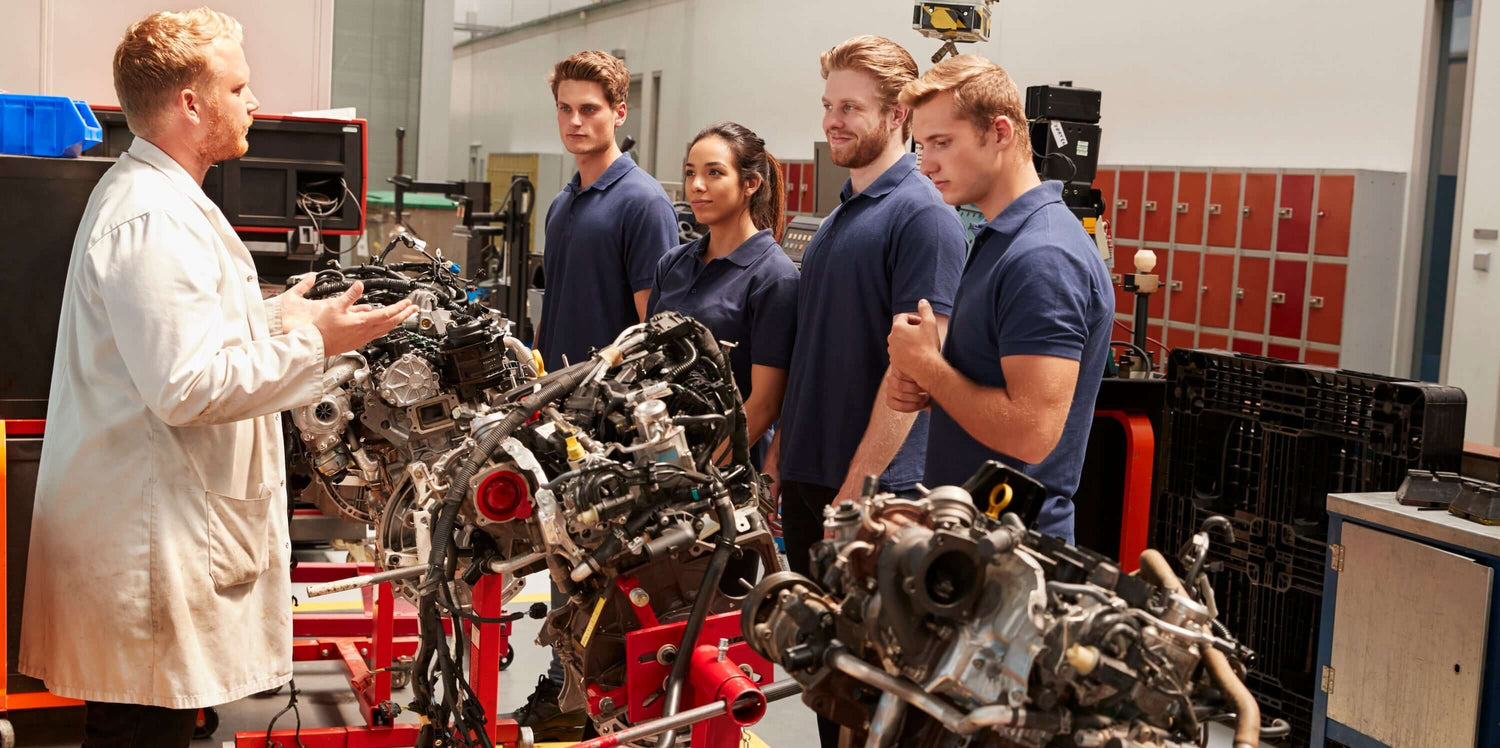
Sometimes Toyota 2GR-FE blown head gasket issues are just the beginning. If overheating caused ring failure, bearing scoring, or cylinder wall damage, a motor swap may be the smarter move.
When a Motor Swap Makes Sense
- Coolant in oil for extended period
- Rod knock present
- Compression loss in multiple cylinders
- Fleet downtime costs exceed rebuild cost
- Vehicle has over 180,000–220,000 miles
In 2026 car trends, we’re seeing more contractors choose complete long blocks to reduce downtime. A properly assembled engine, machined to OEM tolerances and dyno-tested before shipping, often saves 10–20 labor hours compared to in-house rebuilding.
If you're calculating ROI, compare total labor, machine shop turnaround, parts sourcing delays, and warranty coverage before committing.
Cost Breakdown: Head Gasket Repair vs Motor Swap
| Factor | Head Gasket Repair | Motor Swap |
|---|---|---|
| Labor Hours | 18–25+ | 12–18 |
| Machine Shop Time | Required | Not Required |
| Downtime | Longer | Shorter |
| Upfront Cost | Lower (if no bottom damage) | Higher initial |
| Warranty Coverage | Limited to parts | Often long block warranty |
Every situation is different. For a well-maintained 140k-mile Highlander used for light commuting, head gasket repair may be logical. For a fleet Sienna hauling tools daily, downtime may justify full replacement.
Preventing Future 2GR-FE Head Gasket Failure
Once repaired, prevention matters.
- Replace water pump and thermostat proactively during major service
- Use OEM-spec coolant and bleed system correctly
- Monitor cooling fans and radiator condition
- Avoid sustained overheating under towing loads
- Follow proper torque sequences per factory service manual
Aluminum engines don’t tolerate overheating. One spike into the red can undo everything.
Common Mistakes During 2GR-FE Engine Repair
- Reusing torque-to-yield head bolts
- Skipping surface finish verification
- Failing to replace timing components when worn
- Improper coolant bleeding causing air pockets
- Ignoring oil contamination damage
Shortcuts lead to repeat mechanical failure. Do it once. Do it right.
FAQ: Toyota 2GR-FE Blown Head Gasket Issues
How common are Toyota 2GR-FE blown head gasket issues?
They are not widespread but occur primarily after overheating events or high-mileage neglect. The 2GR-FE is generally durable when cooling systems are maintained.
Can you drive with a blown head gasket on a 2GR-FE?
Technically yes, briefly. Practically, no. Continued driving risks warped heads, bearing failure, and total engine loss.
How long does a 2GR-FE last after head gasket repair?
If machined correctly and assembled to OEM torque specs, the engine can run another 100,000+ miles under normal maintenance.
Is it better to rebuild or replace the 2GR-FE?
If the bottom end is healthy and mileage is moderate, rebuilding makes sense. If overheating caused internal damage or downtime is critical, replacement is often more efficient.
What causes repeat head gasket failure?
Improper torque procedure, incorrect surface finish, warped heads, and unresolved cooling system issues are the most common causes.
Need help deciding between repair and replacement? Start by verifying compression, checking oil condition, and calculating total downtime cost before ordering parts.
If the block is cracked or the deck is out of spec: a remanufactured 2GR-FE 3.5L V6 long block is $2,699 with a 6-month warranty and no core charge. See all applications in the Toyota engine collection. Confirm your year, make, model, displacement, engine code and the engine digit in your VIN with us on (877) 900-2695 before ordering.