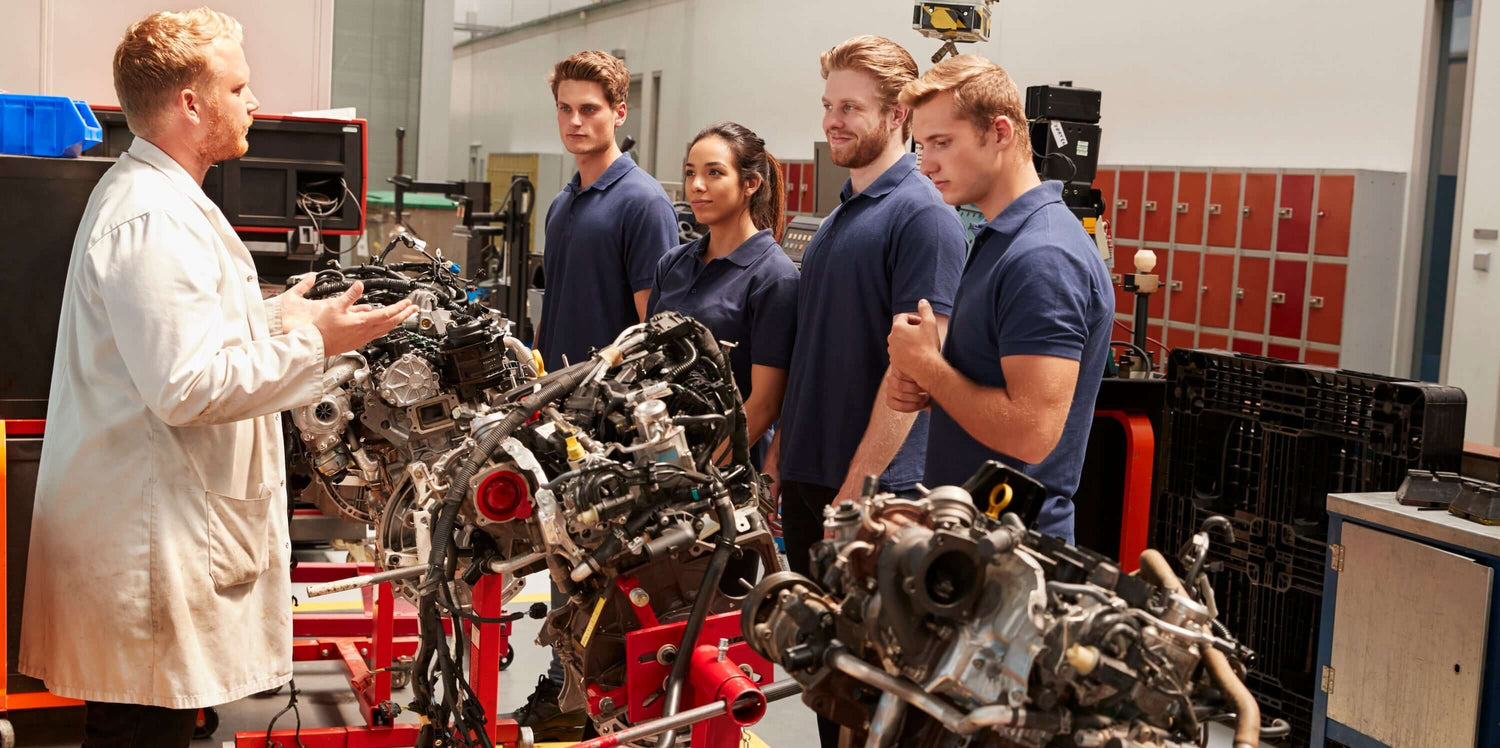
The rebuild-versus-replace decision on a Volkswagen lands differently than on most other platforms. VW engines are mid-priced — not as expensive as BMW, more involved than Honda or Toyota — and the rebuild scope on certain VW engines (2.0T with timing chain damage, 1.8T with sludge damage, TDI applications with complex emissions equipment) is more involved than the displacement might suggest. For VW shop owners working through the decision, framing the question correctly produces the right answer.
Here's the framework experienced shops use.
The Cost Picture for VW Engines in 2026
For a 2.0T (EA888 generation), a quality rebuild typically runs $5,500–$8,500. The rebuild needs to address the timing chain tensioner and the related components to prevent recurrence.
For a 1.8T, rebuilds run $4,500–$7,000. The 1.8T rebuild benefits from oil gallery cleaning and pickup updates to address the sludging history.
For a VR6 application, rebuilds run $6,000–$9,500. The rear-mounted timing chain assembly adds complexity.
For a 2.5L five-cylinder, rebuilds run $4,500–$7,000.
For a TDI 2.0L, rebuilds run $6,500–$10,000. The diesel-specific scope and the emissions equipment integration add cost.
Replacement costs for the same engines: 2.0T reman runs $4,000–$6,500 plus install ($1,800–$2,500), totaling $5,800–$9,000. 1.8T reman runs $3,500–$5,500 plus install ($1,800–$2,300), totaling $5,300–$7,800. VR6 reman runs $4,500–$7,000 plus install ($2,200–$3,000), totaling $6,700–$10,000. 2.5L reman runs $3,500–$5,500 plus install ($1,800–$2,300), totaling $5,300–$7,800. TDI reman runs $5,000–$7,500 plus install ($2,200–$3,000), totaling $7,200–$10,500.
Where Rebuilds Win on VW
For performance-oriented 2.0T applications (built engines for tuning targets beyond stock-replacement scope), the rebuild path allows performance internals to be added during the work. Forged pistons, stronger rods, performance camshafts.
For older VW platforms with shrinking aftermarket support (early 1.8T, older 2.5L), the rebuild path preserves the engine where reman supply is becoming less consistent.
For VR6 applications with strong sentimental or enthusiast value to the owner, the rebuild path preserves the original engine identity.
Where Replacements Win on VW
For most stock VW applications, replacement wins on the criteria customers care about most. Faster turnaround. Warranty coverage typically better on reman than shop rebuilds. The platform-specific known issues (2.0T tensioner, 1.8T oil galleries, VR6 timing chain) are addressed in reputable reman rebuild scopes.
The Decision Framework
Rebuild a VW engine when: the application is performance-oriented and benefits from custom internal specs; the platform is older with shrinking reman supply; or the customer has a specific non-economic reason to preserve the original block.
Replace a VW engine when: the platform has strong reman supply (2.0T, 1.8T, VR6 all have reasonable reman markets in 2026); the customer wants the shortest possible downtime; or the engine has multiple unrelated issues suggesting broader internal wear.
Sourcing from a catalog with documented warranty and VW compatibility keeps the replacement path predictable.