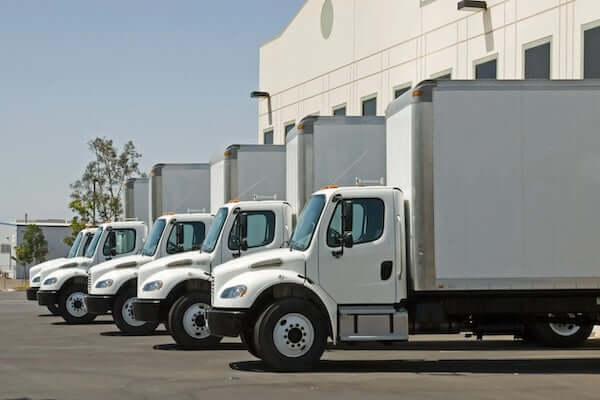
Isuzu engines, particularly the diesel applications in N-series and F-series commercial trucks, are built for industrial-duty service. The failure patterns reflect the commercial-truck operating environment — high mileage, sustained heavy load, long service intervals. Knowing which signs point to a swap versus targeted repair is what keeps fleet maintenance budgets honest.
Here are the five signs that most reliably point toward an Isuzu engine replacement in 2026.
1. 4HK1-TC Injector Failure with Cascading Damage
The 4HK1-TC 5.2L diesel in N-series commercial trucks has documented injector failure patterns past 300,000–500,000 miles of commercial service. When injectors fail, fueling becomes irregular, producing misfires, low power, and eventually cylinder damage from improper combustion.
Does a swap solve it? Caught very early, injector replacement is the targeted fix at $2,500–$5,000. Caught after cylinder damage has progressed, swap is usually the better answer.
2. 6HK1 Inline-Six Diesel: High-Hour Wear
The 6HK1 7.8L inline-six in F-series commercial trucks is industrially durable but the F-series applications often accumulate substantial operating hours. Past 600,000–800,000 miles, multiple wear patterns appear simultaneously — oil consumption, reduced power, fueling system aging, turbo wear.
Does a swap solve it? When multiple wear patterns are accumulating simultaneously, yes. The 6HK1 is built for rebuild rather than replacement on individual issues, but when accumulated wear is substantial, complete long block replacement makes sense.
3. 6VD1 / 6VE1 V6 Timing Belt Service Failures
Older Isuzu passenger applications (Rodeo, Trooper, Amigo, Axiom) with 6VD1 or 6VE1 V6 engines are interference engines with timing belts. A broken belt produces catastrophic damage.
Does a swap solve it? Yes, almost always when the belt has broken. Preventive belt service at the manufacturer interval is the right answer for owners who haven't yet experienced failure.
4. Documented Overheating Damage
Isuzu engines that end up as swap candidates rather than rebuild candidates are usually engines with overheating history. For commercial truck applications, overheating can occur during heavy-load operation in hot conditions, and the damage can be substantial.
Does a swap solve it? Almost always yes when overheating damage is the underlying issue.
5. The Pattern: Multiple Issues at Once
The fifth sign is the pattern. An Isuzu engine with multiple unrelated issues simultaneously is almost always past the point where targeted repairs make economic sense for fleet operators.
For commercial truck applications specifically, downtime cost matters substantially. A targeted repair that takes a week is often more expensive in fleet terms than a swap that takes three days.
The Math for Commercial Operators
For commercial truck operators, the engine replacement decision frequently includes downtime cost calculations that wouldn't apply to passenger vehicle decisions. A truck that's not running is losing revenue daily, and the math for swap-versus-repair often favors swap when downtime is properly accounted for.
What Comes Next
Once the diagnostic confirms a swap, sourcing matters. The Isuzu engines on our catalog are matched by engine code and platform fitment, with platform-specific issues addressed in the rebuild scope.