
GMC performance builds center on one of the most respected engine architectures in the American aftermarket: the LS family. The LS swap has its own gravitational pull in the wider performance world, and GMC chassis benefit from the same engine architecture used across the GM lineup. The LT family is the modern successor with mature aftermarket support. The Duramax has its own diesel performance scene focused on towing capability and modest power increases under load.
Why a Fresh Block Matters on GMC Performance Builds
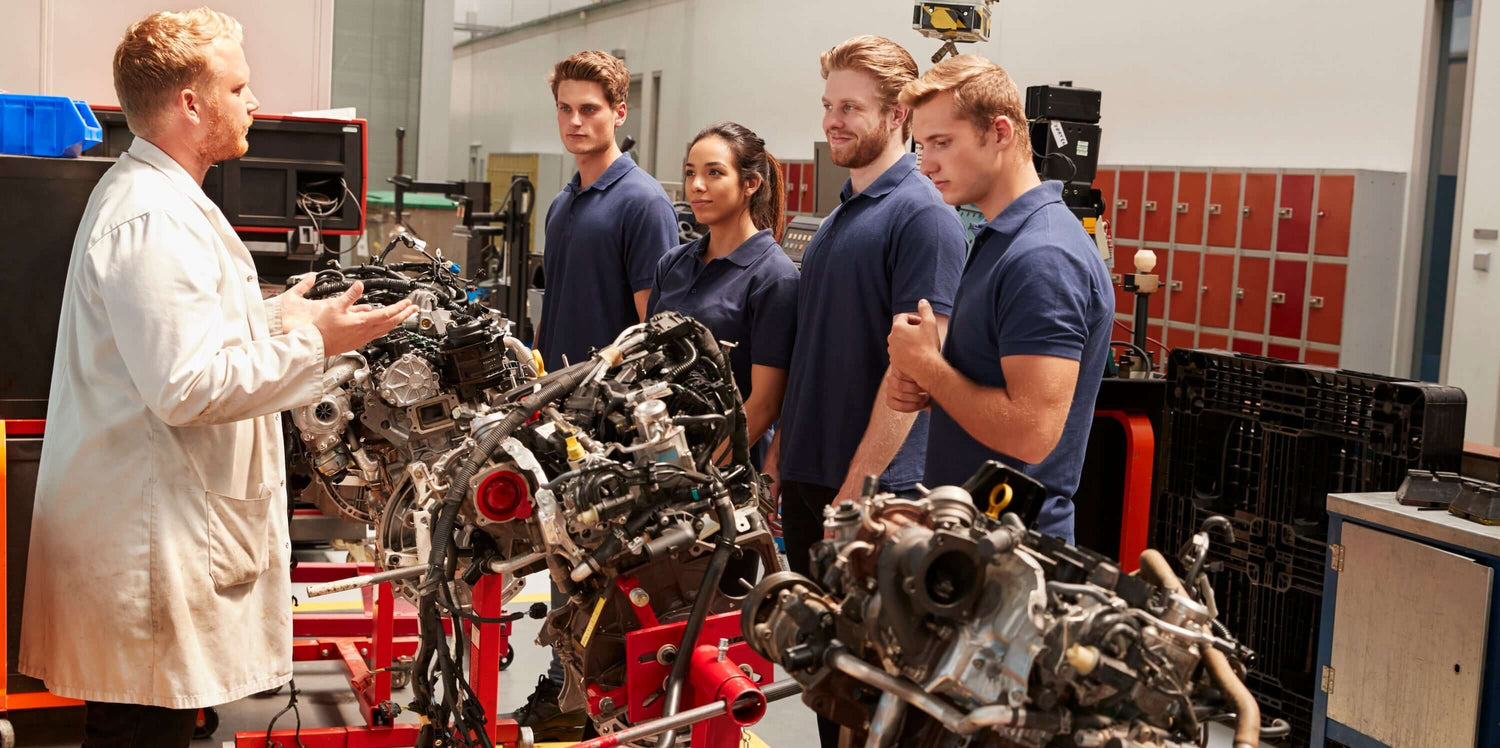
The LS and LT families are remarkably tolerant of bolt-on modifications even on used engines, but serious performance builds (forced induction, big-displacement strokers, or aggressive cam work) benefit substantially from starting with verified fresh internals.
For Duramax performance work, the high-pressure fueling system and turbo work pushes the engine into territory where fresh internals are essential.
Platform Choice for GMC Performance
The LS3 6.2L V8 crate engine from Chevrolet Performance is the modern LS workhorse. 430 horsepower stock; built LS3 engines reach 500-700+ horsepower with cams, supercharger or turbo work. The aftermarket is mature with extensive parts availability.
The LSA 6.2L supercharged V8 (from Cadillac CTS-V and Camaro ZL1 production) is a factory-supercharged LS platform. Built LSA engines reach 700-900+ horsepower.
The LS7 7.0L V8 (originally from Corvette Z06 production) is the big-displacement naturally-aspirated LS. Built LS7 engines reach 600-700+ horsepower naturally aspirated.
The L86 / L87 6.2L LT-family in current production Sierra applications. Direct-injection and DFM. Built versions reach 600-800+ horsepower.
The LT4 6.2L supercharged LT-family in CTS-V, Z06 production. Factory-supercharged. Built versions reach 750-1000+ horsepower.
For Duramax performance, the L5P is the modern platform. Built L5P engines with tune, intake, exhaust, and turbo work reach 600-800+ horsepower while maintaining emissions equipment.
The Build Stack on a Fresh LS3
For serious LS3 builds: forged internals on builds beyond 600 horsepower (or naturally aspirated builds beyond 550), upgraded cam, intake manifold, headers, exhaust, ignition, fueling, custom tune.
For supercharger builds: appropriate blower selection (Edelbrock, Magnuson, Whipple), supporting fueling and intercooling, custom tune.
The L5P Duramax Performance Path
L5P performance work typically includes tune work, larger intake, performance exhaust (CARB-EO where required), and supporting components. Emissions compliance is essential: any tune that affects emissions equipment creates regulatory exposure.
Supporting Components
GMC performance builds need cooling upgrades, transmission attention (4L80E, 4L85E, 6L80E, 6L90E all have specific upgrade paths), and fueling improvements.
The Cost Reality
A serious LS3 build on a fresh crate engine typically runs $15,000-$35,000 all-in. The crate engine is $8,000-$13,000 of that.
An LSA supercharged build runs $20,000-$40,000+ all-in.
L5P Duramax performance work runs $10,000-$25,000+ depending on power targets and emissions compliance approach.
Sourcing the Foundation
For GMC performance builds, start from a fresh long block from GM Performance Parts or an established GM-specialist source. The GMC engines on our catalog carry a 6-month warranty.