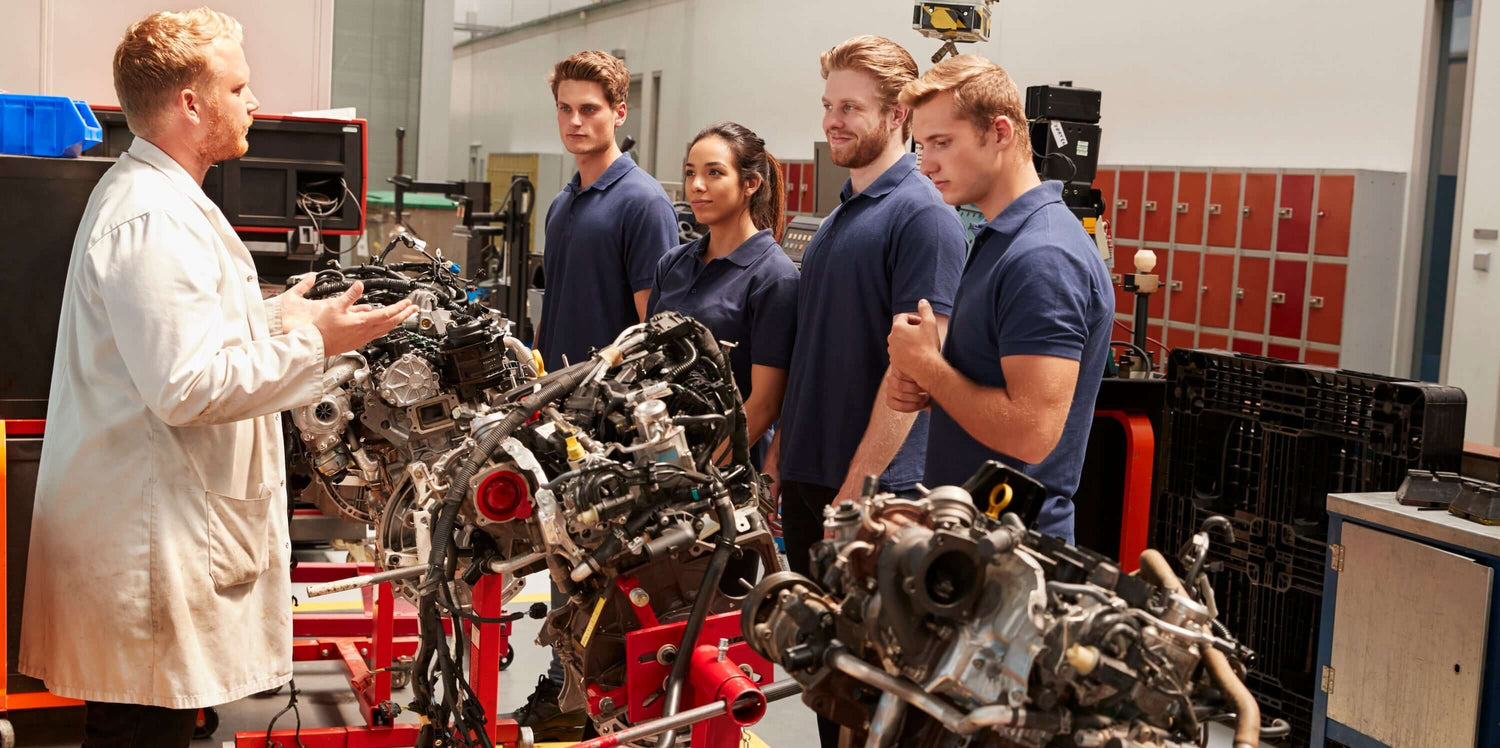

The BMW 528i from 2012 to 2016 blends performance and luxury, making it a highly desirable sedan. But like all vehicles, the engine may eventually suffer from issues such as timing chain failure, overheating, or high mileage wear. Replacing the engine is a major task, but when done correctly, it restores the power and refinement expected from a BMW. This guide explains the process step by step. At Power Engines, we supply road-legal, OEM-quality replacement engines to make this process smoother and more reliable.
Preparation and Tools Required
Gather the necessary tools before starting: an engine hoist, hydraulic jack, jack stands, complete metric socket and wrench sets, torque wrenches, screwdrivers, pliers, drain pans, and protective gloves. Replacement fluids—engine oil, coolant, and transmission fluid—are also required. Ensure the car is parked on a flat surface and disconnect the battery before beginning any work.
Step 1: Remove the Hood and Drain Fluids
Unbolt the hood to allow maximum access to the engine bay. Drain all fluids including coolant, engine oil, and transmission fluid into appropriate containers. This prevents contamination and makes reassembly easier.
Step 2: Disconnect Wiring, Hoses, and Fuel Lines
Label all connectors, sensors, and vacuum hoses before removing them. Relieve pressure from the fuel system and disconnect fuel lines carefully. Taking photos during this step helps prevent confusion during reassembly.
Step 3: Remove Accessories and Cooling System
Detach components such as the alternator, A/C compressor, and power steering pump. These can often be set aside within the engine bay without disconnecting fluid lines. Remove the radiator, cooling fan, and hoses to provide clearance for engine removal.
Step 4: Disconnect Exhaust and Transmission
Unbolt the exhaust manifold and catalytic converter from the engine. Support the transmission with a jack, then remove the bolts connecting the engine block to the transmission housing. For automatic models, detach torque converter bolts; for manual models, disconnect the clutch assembly.
Step 5: Remove Motor Mounts and Extract the Engine
Unbolt the motor mounts. Connect the engine to the hoist using secure lifting points, then carefully raise it out of the bay. Double-check that no hoses, wiring, or lines remain connected.
Step 6: Prepare the Replacement Engine
Transfer components from the old engine to the new one as needed—this may include intake and exhaust manifolds, sensors, and brackets. Always replace gaskets, seals, and belts during this stage. At Power Engines, we provide BMW-compatible replacement engines built to meet or exceed OEM specifications, ensuring compliance with emissions regulations and seamless installation.
Step 7: Install the New Engine
Lower the replacement engine into the bay using the hoist, carefully aligning it with the motor mounts and transmission. Torque bolts to manufacturer specifications. Reattach the exhaust, transmission, and accessory components.
Step 8: Reconnect Wiring, Fuel, and Cooling Systems
Reinstall all labeled wiring harnesses, vacuum hoses, and fuel lines. Reattach the radiator, fans, and cooling system hoses. Fill the car with fresh fluids including oil, coolant, and transmission fluid.
Step 9: Test and Break-In
Reconnect the battery and turn the ignition to ON, allowing the fuel system to prime. Start the engine and let it idle while checking for leaks, unusual noises, or warning lights. During the first 500 miles, avoid aggressive driving and high RPMs. Perform an oil change after the break-in period to ensure long-term engine health.
Replacing the engine in a BMW 528i (2012–2016) is a challenging but rewarding project that restores the performance and refinement of this luxury sedan. By following a structured step-by-step process and sourcing a dependable, road-legal replacement engine from Power Engines, you can ensure the job is done correctly. With the right preparation, your BMW can continue delivering the performance and reliability that made it a favorite among enthusiasts and daily drivers alike.